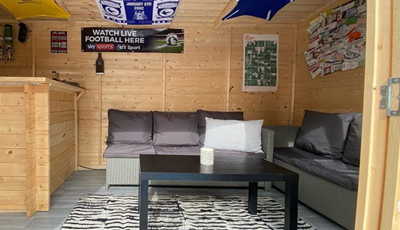


Welcome to Garden Buildings Direct, where we’ve been building and supplying garden buildings to the UK since 2000. We believe that doing things ourselves is the path to providing the best quality products at the lowest possible prices, which is why we handle designing, manufacturing and delivering the vast majority of buildings ourselves. Doing this lets us take out the middleman, allowing us to provide quality buildings at fair and affordable prices.
Using sustainably sourced and high-quality European timber we create a diverse range of buildings for all functions - from storage that can tidy up your garden to comfortable insulated spaces that are usable all year round.
Every single BillyOh building is one that our specialist teams have designed and manufactured ourselves. This all happens at our dedicated 800,000ft² facility, with the creation of every panel and beam overseen by our experienced craftspeople. While we use specialist machinery for many of our parts, some require the skill and attention to detail of our woodworkers to ensure every component meets our high standards.
We understand that a garden building is an investment - in your home and in the way you live your life. To make sure you’re getting a building that won’t let you down, all our tongue and groove buildings come with a 10-year protective guarantee that protects against the main causes of timber damage. Pressure-treated buildings have an improved guarantee duration of 15 years.
Our delivery service gets your building to you quickly and safely. We deliver across the entirety of the mainland UK, with free delivery available to most postcodes in England and Wales. Our delivery page has more information, including eligibility for free delivery.
If you have questions about buildings, payment, or about an order, we’d recommend consulting our help page. If you can’t find what you need, then please get in touch with our experienced customer support team who are here to help. Submit a written request using our contact form or call us on 01909 768840.
You can see what customers think in our customer reviews section. And for explainers, guides, and useful information, take a look at our Blog site!
A Garden Shed is a staple of many British Gardens. These functional buildings are valued for their storage capabilities but, thanks to their multipurpose designs, they can fulfil a number of other purposes - like use as a DIY workshop.
One shed does not fit all gardens, which is why we’ve invested in creating a large range of sheds in many sizes and materials. From a more traditional wooden shed to a robust metal shed, or even a plastic shed with a more contemporary design, the wide variety we offer gives you flexibility on size and budget.
Investing in a log cabin means adding space to your home and your everyday life. Whether you want a dedicated workplace or studio, or somewhere that you can escape to and relax in, a garden cabin offers you room to stretch out into. Our cabins are constructed with thick cladding and secure framing for a building that lasts and adds value to your property.
Get more out of the summer months with the addition of a summer house. These bright and airy buildings are catered for relaxation with big windows and wide-opening doors - adding one to your garden creates an inviting spot to sit and lounge in the sunny weather. All our summerhouses are equipped with durable tongue and groove panelling.
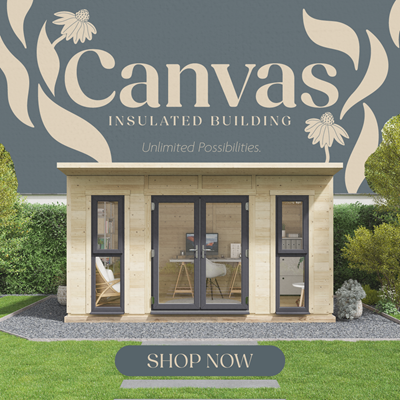
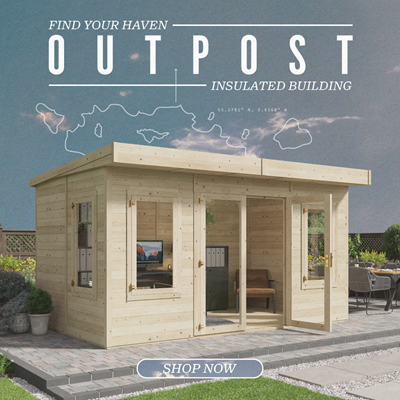
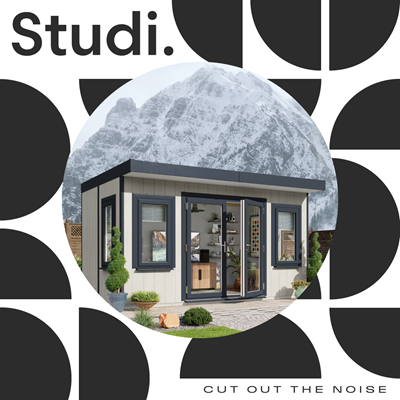
A garden office means a place to focus. Ideal for remote working lifestyles, side projects, or small business owners, an office room gives you the means to separate home and working life. We also have a selection of pre-insulated garden rooms that are built to support year-round use thanks to their temperature-regulated interiors.
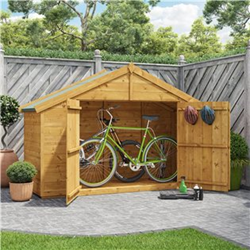
Keep your garden, patio or outdoor space clean and tidy with a piece of garden storage. A large storage solution can be the answer to keeping bikes, lawnmowers and tools safe - whereas a storage box or bench is better suited for small items such as cushions.
Expand the room you have for growing and gardening with a greenhouse. Our cold-frame and wooden greenhouses are ideal for both seasoned and novice gardeners.
A children’s playhouse gives freedom for play, promoting a healthy active lifestyle and imaginative thinking. Give kids their own place to bloom with a wooden playhouse that’s EN71 compliant for safety.